
CNC TOOL SELECTION GUIDE FOR PROFESSIONALS
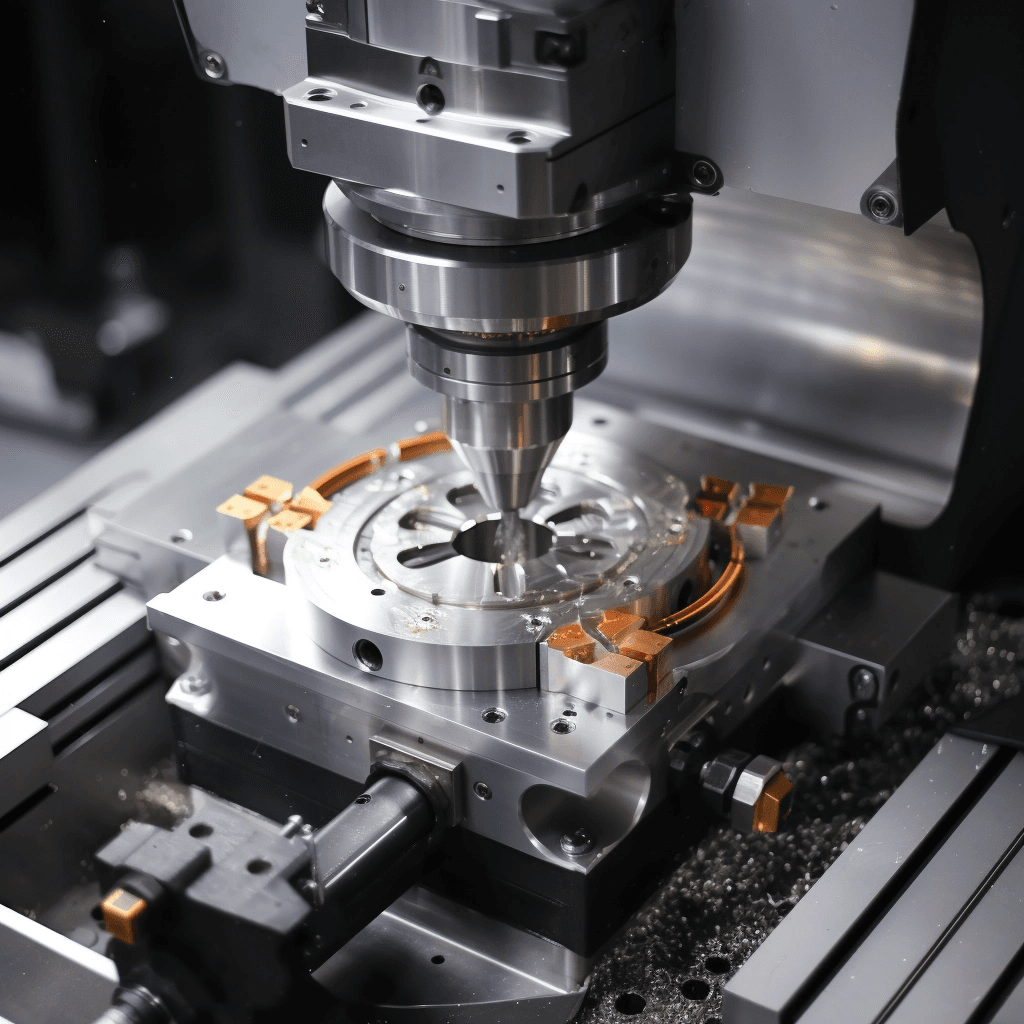
Selecting the right CNC cutting tools is one of the most critical decisions in any machining operation. The wrong tool choice can lead to poor surface finish, excessive tool wear, increased cycle times, and even catastrophic tool failure. This guide covers the fundamental principles of CNC tool selection to help professionals optimize their machining processes.
UNDERSTANDING TOOL MATERIALS
CNC cutting tools are manufactured from several material categories, each with distinct properties. High-Speed Steel (HSS) tools are cost-effective and suitable for general-purpose machining at moderate speeds. Carbide tools offer significantly higher hardness and heat resistance, making them ideal for high-speed operations and harder workpiece materials. Ceramic and cermet tools push the boundaries further, enabling ultra-high-speed machining of hardened steels and cast iron.
TOOL GEOMETRY FUNDAMENTALS
The geometry of a cutting tool directly impacts chip formation, cutting forces, surface finish, and tool life. Key geometric parameters include rake angle, clearance angle, nose radius, and helix angle. Positive rake angles reduce cutting forces but weaken the cutting edge, while negative rake angles provide stronger edges for interrupted cuts. Understanding these trade-offs is essential for optimizing tool performance.
MATCHING TOOLS TO WORKPIECE MATERIALS
Different workpiece materials demand different tool characteristics. Aluminum and non-ferrous metals machine best with sharp, polished edges and high positive rake angles. Stainless steels require tools with strong edge preparation and specialized coatings to handle work hardening. Hardened steels above 45 HRC typically require CBN (Cubic Boron Nitride) or ceramic tools.
TOOL COATINGS AND THEIR BENEFITS
Modern CNC tools rely heavily on thin-film coatings to extend tool life and improve performance. TiN (Titanium Nitride) provides general-purpose wear resistance. TiAlN (Titanium Aluminum Nitride) excels in high-temperature machining. AlCrN (Aluminum Chromium Nitride) is preferred for dry machining applications. Diamond coatings are used for non-ferrous and abrasive materials.
PRECISION MEASUREMENT IN CNC OPERATIONS
Accurate measurement is inseparable from quality CNC machining. Digital calipers and micrometers are essential for verifying workpiece dimensions during and after machining. Tools like the FerroLink D-210 Precision Measuring Caliper and D-310 Digital Micrometer Set provide the accuracy levels required for professional machining operations.
OPTIMIZING FEED RATES AND SPEEDS
The relationship between cutting speed, feed rate, and depth of cut determines machining efficiency and tool life. Starting with manufacturer-recommended parameters and adjusting based on actual conditions is the most reliable approach. Modern CAM software can simulate tool paths and predict cutting forces, helping optimize parameters before cutting begins.
TOOL LIFE MANAGEMENT
Implementing a systematic tool life management program is essential for production environments. Track tool usage, monitor wear patterns, and establish replacement intervals based on data rather than guesswork. This approach minimizes both tool costs and the risk of producing out-of-spec parts.
RELATED PRODUCTS
MORE ARTICLES
The Complete Guide to Industrial Hammer Types
From ball peen to sledgehammers, learn which hammer is right for your professional application. A comprehensive breakdown of hammer types, materials, and use cases.
Tool GuidesTool Handle Materials: Fiberglass vs Wood vs Steel
A detailed comparison of tool handle materials to help you choose the best option for durability, comfort, and performance in professional applications.